Addresses
Type of place
Hall, Library
Period
Federation 1890-1914
Style
Carpenter Gothic
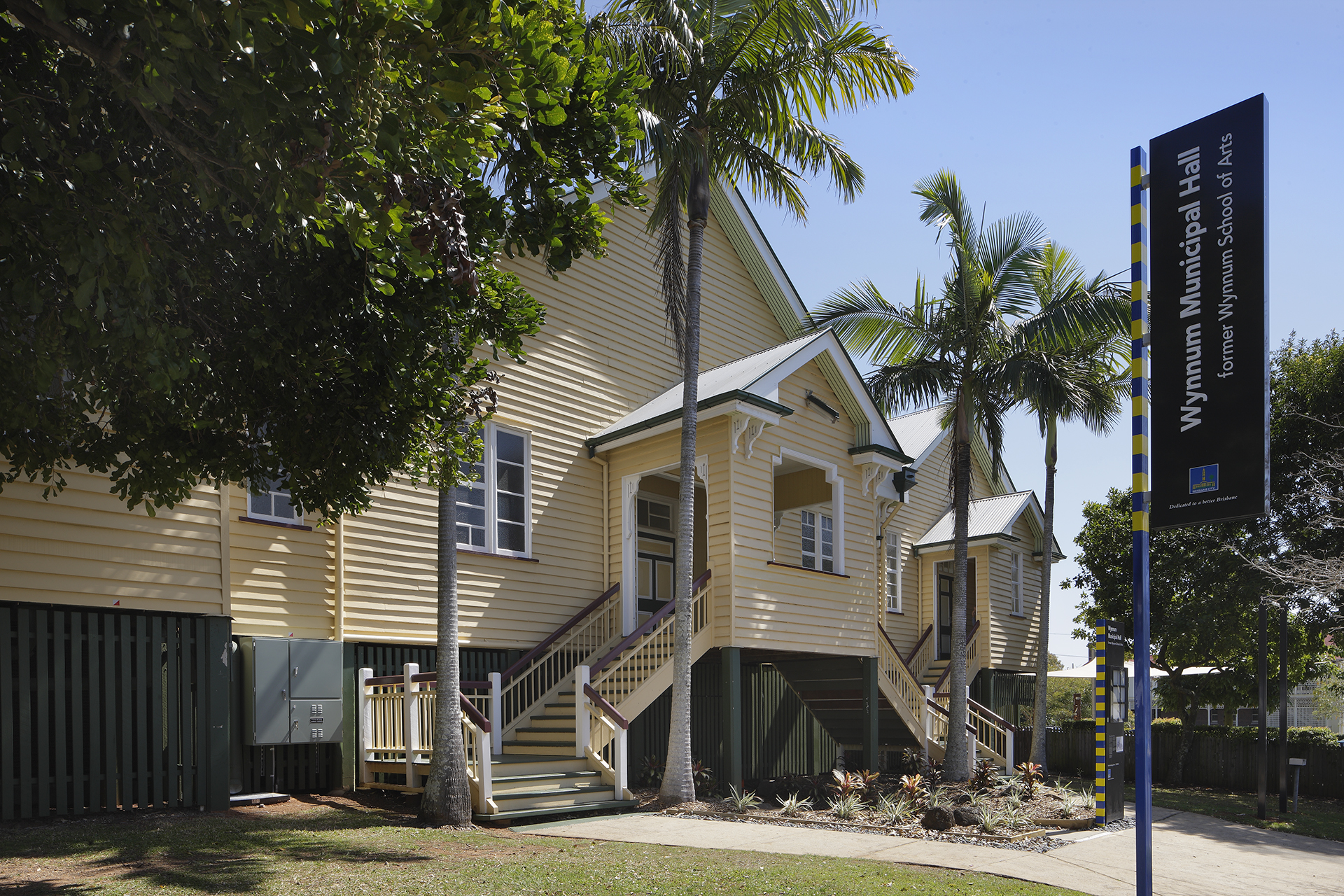

Wynnum Community Centre front
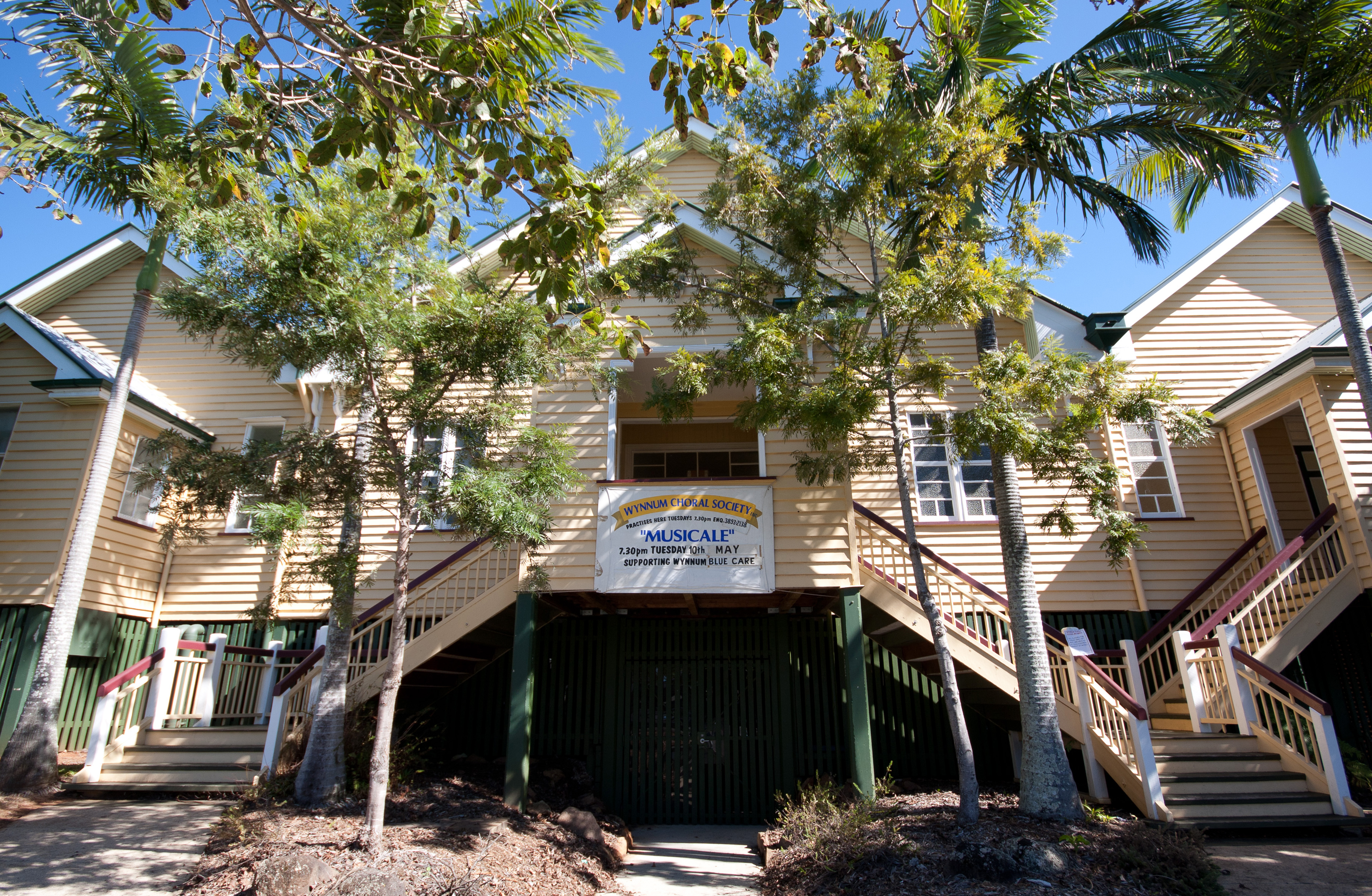
Wynnum Community Centre front
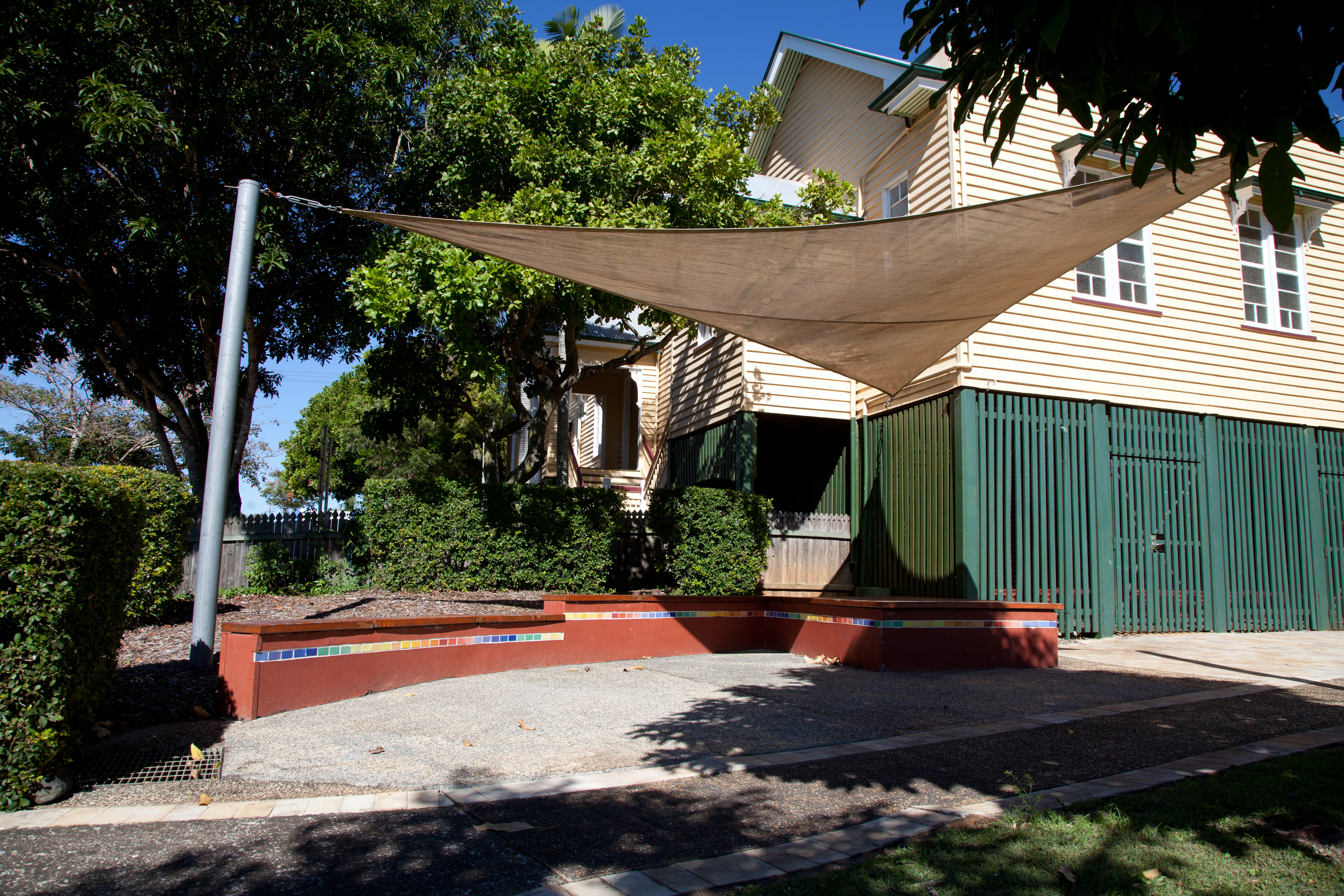
Wynnum Community Centre side
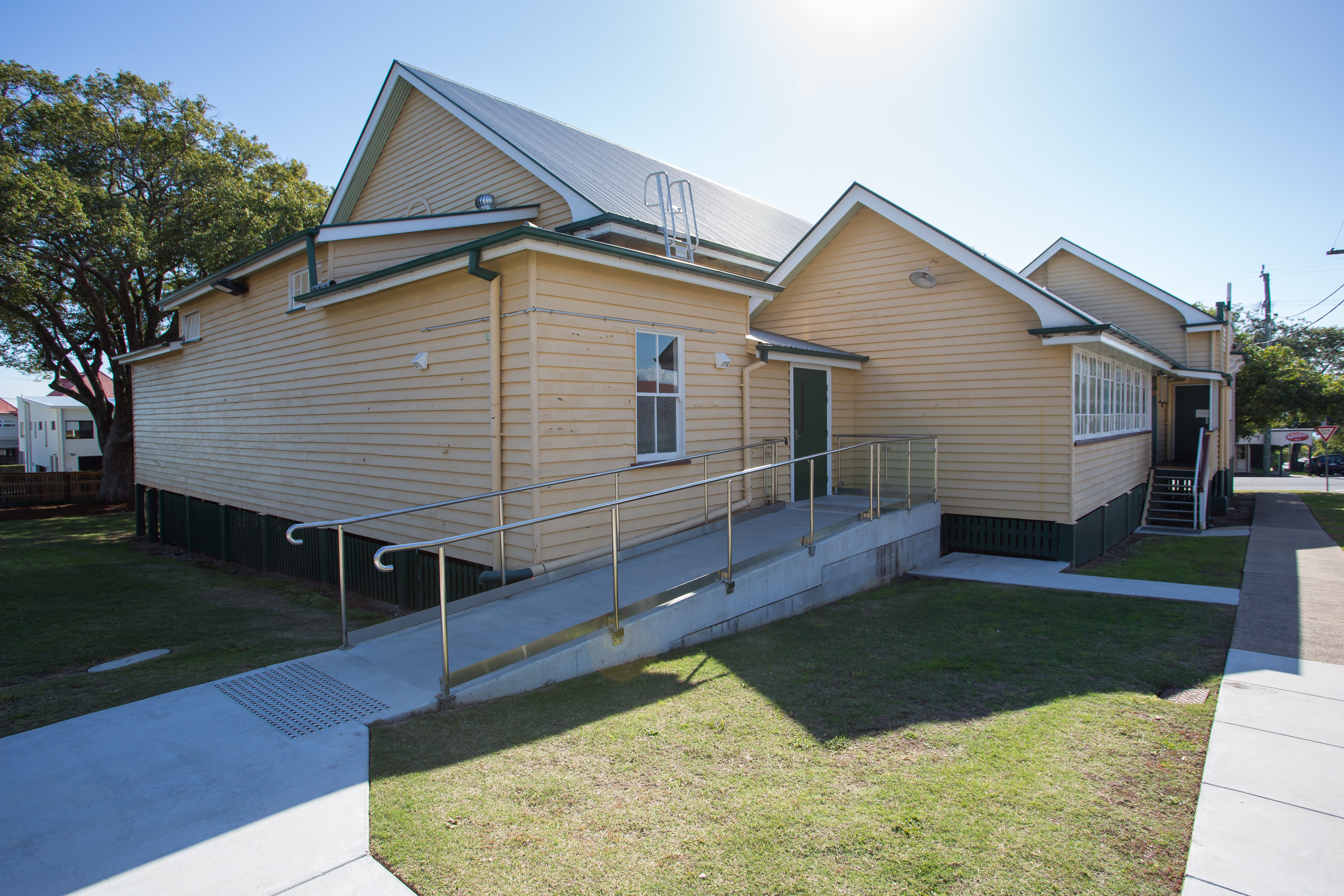
Wynnum Community Centre rear
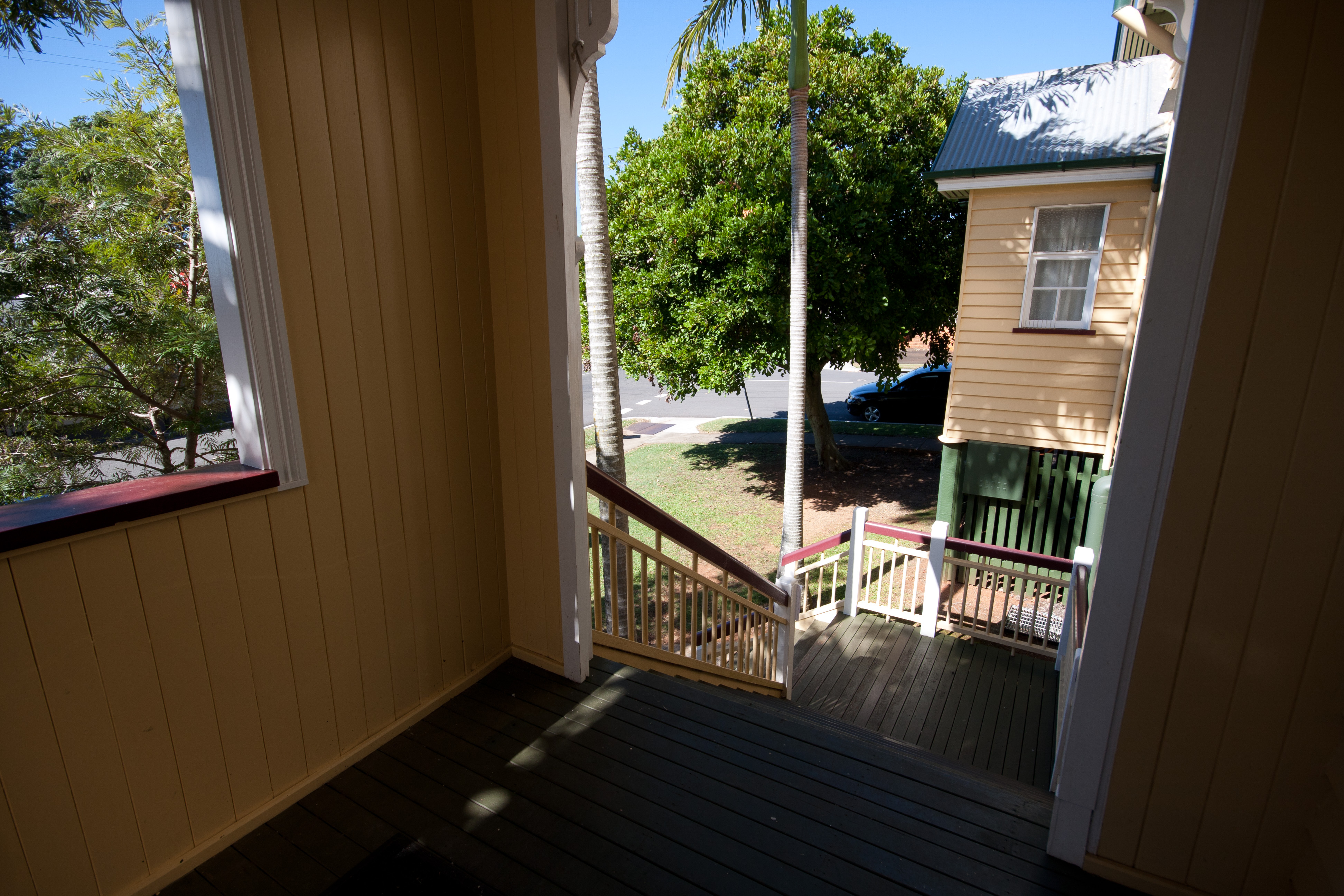
Wynnum Community Centre front steps
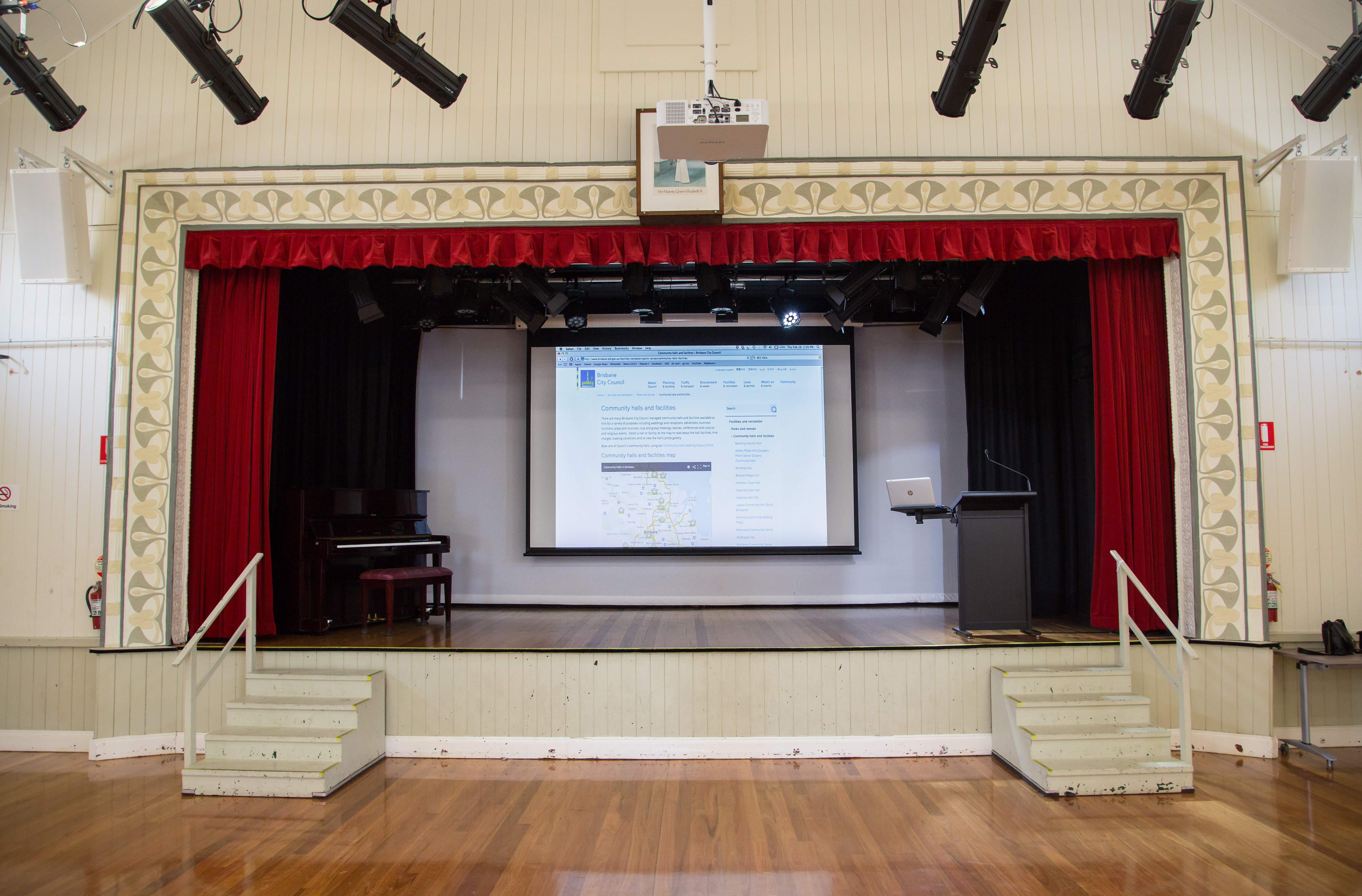
Wynnum Community Centre main hall and stage
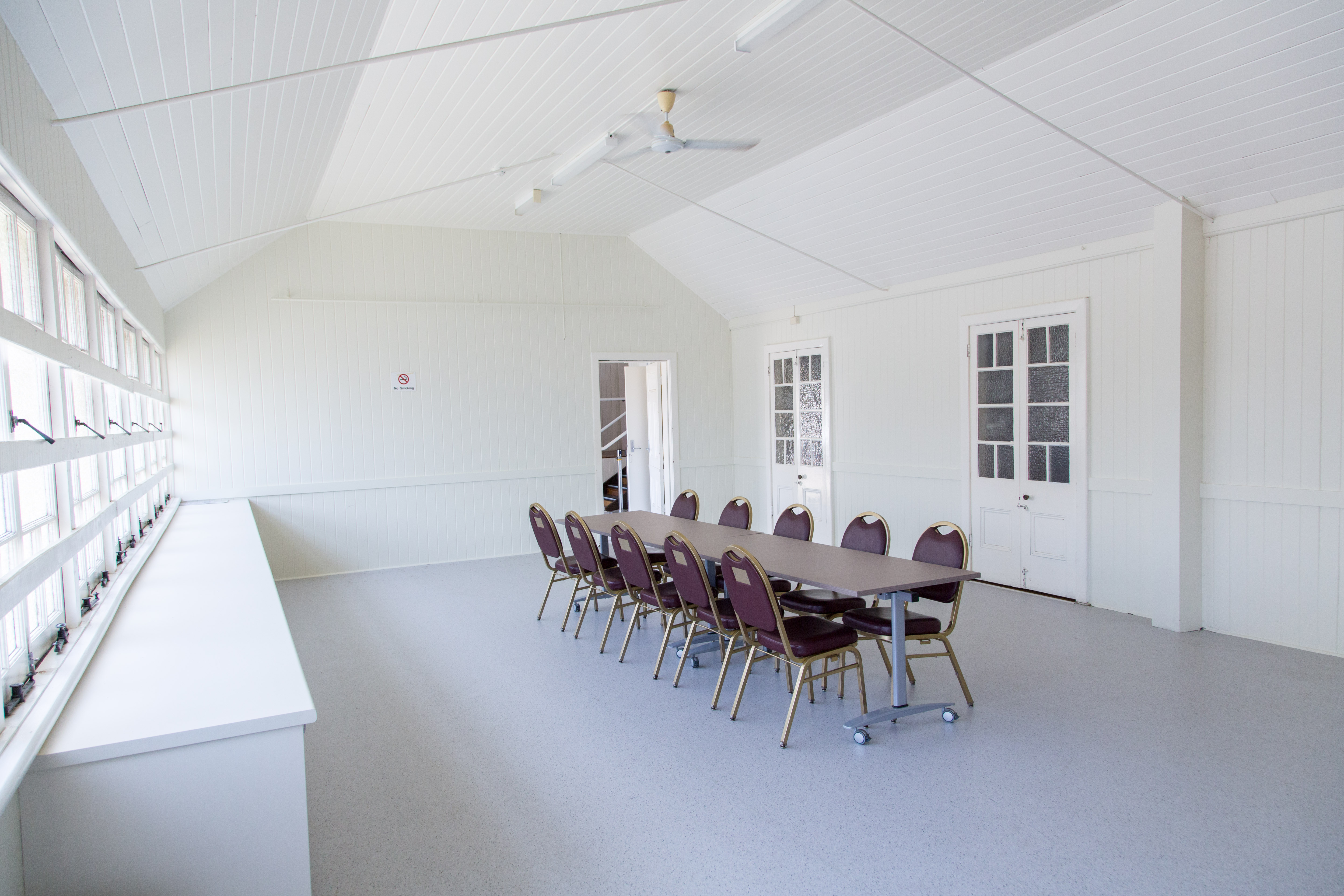
Wynnum Community Centre hall
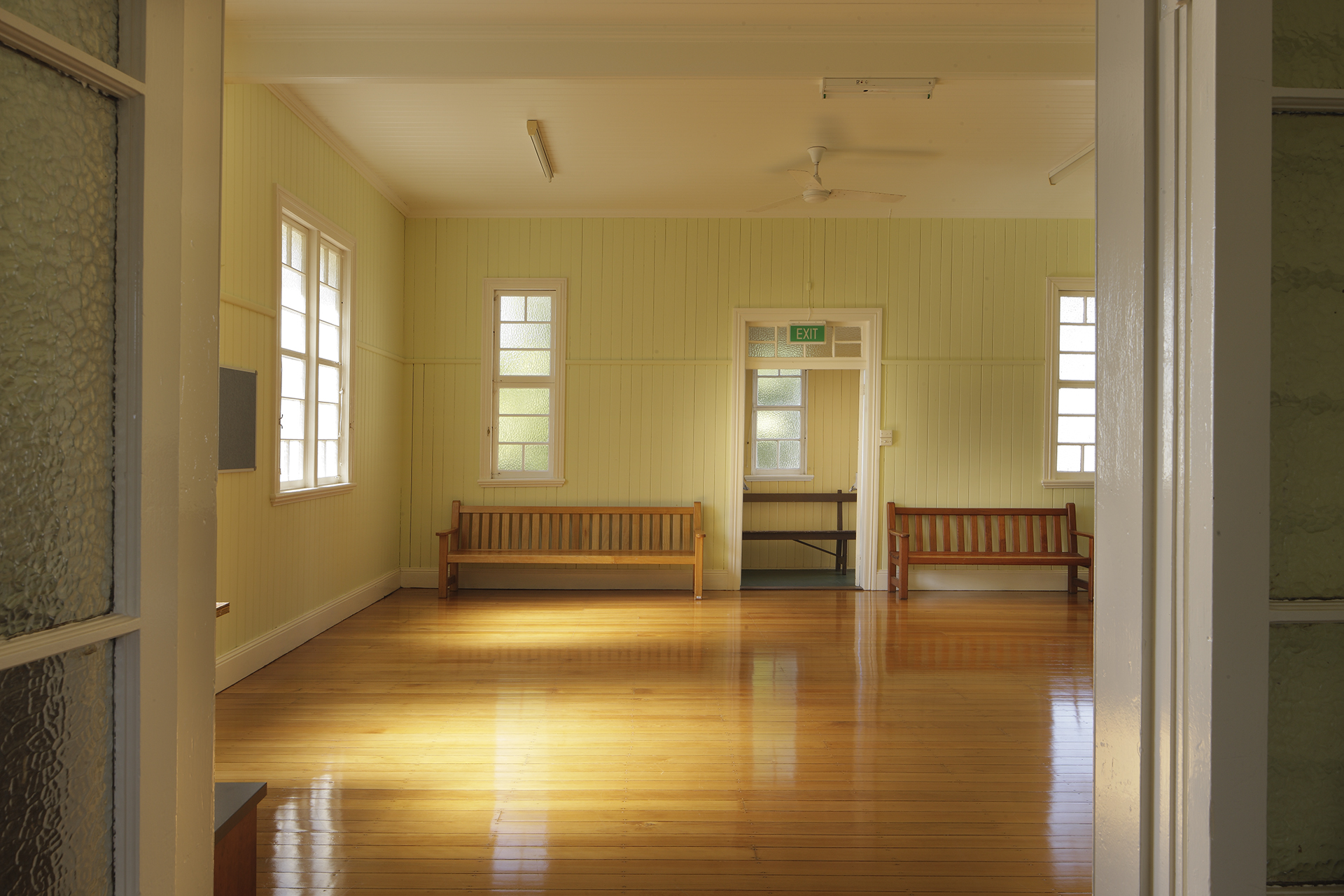
Wynnum Community Centre hall

This is an image of the local heritage place known as Wynnum Community Centre (Former Wynnum School of Arts)

This is an image of the local heritage place known as Wynnum Community Centre (Former Wynnum School of Arts)
Wynnum School of Arts (former)
Addresses
Type of place
Hall, Library
Period
Federation 1890-1914
Style
Carpenter Gothic
The Wynnum School of Arts hall was erected by Wynnum and Manly residents in 1913, at a time when the Schools of Art movement was flourishing in Queensland. A substantial community library was developed at the hall in the inter-war period and, in the 1940s, it was one of the early sites to join a new citywide library scheme managed by Brisbane City Council. The building, recognisable for its attractive gabled façade, has remained integral to the local community's needs, providing space for meetings, functions and classes.
Also known as
Wynnum Community Centre
Lot plan
L457_SP259917
Key dates
Local Heritage Place Since —
Date of Citation —
Construction
Roof: Corrugated iron;Walls: Timber
People/associations
Henry Wallace Atkinson (Architect);Peter Olsen (Builder)
Criterion for listing
(A) Historical; (B) Rarity; (E) Aesthetic; (G) Social; (H) Historical associationInteractive mapping
Also known as
Wynnum Community Centre
Lot plan
L457_SP259917
Key dates
Local Heritage Place Since —
Date of Citation —
Construction
Roof: Corrugated iron;Walls: Timber
People/associations
Henry Wallace Atkinson (Architect);Peter Olsen (Builder)
Criterion for listing
(A) Historical; (B) Rarity; (E) Aesthetic; (G) Social; (H) Historical associationInteractive mapping
History
Europeans first arrived at what became the seaside in the suburb of Wynnum in the mid-19th Century, with land sales in the 1860s. The opening of the railway to Cleveland in 1889 boosted Wynnum's growth, and many successful businessmen and workers bought or built homes in the area to enjoy the fresh sea air and beautiful views. By the late 19th Century, Wynnum was a seaside resort for Brisbane weekenders, prompting more commercial and residential development. Wynnum’s population grew significantly during the late 19th and early 20th Centuries. In 1891, the population of Wynnum stood at just 683. By 1921, the population was 8.357. Associated with this significant population growth was the establishment of improved services in Wynnum, such as churches and schools.
In the 1900s, moves were made to establish a building committee in Wynnum to establish the area’s first School of Arts. Schools of Art were popular in Queensland at this time. As the Chair of the organising committee for erecting a School of Arts in Wynnum stated in 1913, ‘the School of Arts was most essential in a growing district like Wynnum, to assist in the intellectual development of both young and old.’ Offering a place for people to learn new skills, attend events and borrow books, the government reserved land specifically for Schools of Art to be built and helped subsidise construction costs and book purchases.
Land for the new School of Arts was acquired in 1911. The prominent architectural practice of Atkinson and McLay was responsible as honorary architects for the building’s design, undertaken ‘free of cost.’
The Wynnum and Manly School of Arts was opened in December 1913. It was described as a ‘commodious structure and the main hall and the front rooms were erected for £900. Tenders to supply glass screens for the verandahs and to build a library under the building were accepted in November 1918.
In 1927, the building was considerably enlarged, allowing it to be used as a concert and dance hall, complete with cloak and supper rooms, a reading room for newspapers and periodicals. It also had a considerable library, which in 1933 held over 7,500 books and was supported by 244 subscribers. Over the next decade, however, with the advent of the Second World War and an economic recession, the number of subscribers began to decline.
After the Second World War, Wynnum School of Arts was one of the early libraries to join the Brisbane City Council’s new citywide library scheme. In 1946 and 1947, more than 1,000 books and magazines were bought by the Council for the library and subscriber numbers had climbed back to 220. These numbers continued to increase as the municipal library scheme expanded.
In 1977, the library relocated to the Wynnum Civic Centre, on the opposite side of Bay Terrace, and the Wynnum School of Arts hall continued to be used for meetings, functions and classes.
Description
The former Wynnum School of Arts is a large Federation-era Carpenter Gothic-inspired hall on a prominent corner lot fronting Bay Terrace in Wynnum. The building’s materials, form and scale reflect its original use as a school of arts. Together with its location on a prominent corner lot, the building makes a strong contribution to the streetscape.
The building’s key features are its form, design, materiality and setting. It has a timber-framed structure supported on concrete stumps with timber battens. The front of the building is dominated by a symmetrical hall with a roof of three prominent gables. The building was extended along the line of the large central gable, resulting in a hall flanked by two additional rooms whose external walls extend above the roofline to form a small parapet. Additions include a structure on the southeastern elevation with a gable roof and a rear lean-to for a stage and changerooms. The building is clad in weatherboard and has a timber framed corrugated metal roof.
Entry to the building is via timber stairs with timber dowelled balustrades that ascend from the left and right sides parallel to the building face, leading to a raised gabled portico with a central opening. Two gabled bays flank the central portico on the front façade, echoing the main roof's triple-gable form. All of the gable ends feature a return eave, where gutter and fascia are met with flared bargeboard ends, forming a part-pediment. Alternative entry to the building is provided by timber stairs on the southern and northeastern elevations. The building has panelled doors, double-hung sash windows, multi-paned casement windows, short flat roofed window hoods and decorative timber brackets. Further ornamentation includes carved timber brackets supporting projecting gable ends and a timber honour board in a glass cabinet at the central entry. Rainwater goods include traditional rainwater heads, quad guttering and round metal downpipes.
The lot features a landscaped seating area and mature trees, including two Camphor Laurels and semi-mature trees along the edges. A rear car park with ramped access completes the site.
Significant features
Features of cultural heritage significance include:
- Form: Single-storey Carpenter Gothic-inspired hall on concrete stumps with timber battens and a triple-gable roof joined to a central gable roofline, plus a southeastern gable with casement windows. Extension on south-western elevation. Open verandah on the northern elevation.
- Structure:
- Roof: Timber framed corrugated sheet metal
- Walls: Timber clad in weatherboard
- Doors: Door and window openings, including panelled entry doors accessed via a gabled entry portico with timber stairs, timber dowelled balustrades, casement and double hung sash windows and hoods with decorative brackets. Side entry via timber stairs on the south- and northeastern elevations.
- Key features and elements: Honour board.
- Landscape and vegetation: Landscaped vegetation and mature trees, including Camphor Laurel trees on the north-western edge and Alexander Palms flanking the entry stairs.
- Setting: Views to and from the building from Bay Terrace and Cedar Street.
Non-significant features
Non-significant features include:
- Concrete ramp entry
- Pathways, fences and outdoor seating
- Car park.
Statement of significance
Relevant assessment criteria
This is a place of local heritage significance and meets one or more of the local heritage criteria under the Heritage planning scheme policy of the Brisbane City Plan 2014. It is significant because:
Supporting documents
Citation prepared by — Brisbane City Council (page revised June 2026)